
Caninelifeco Dogs Blog
Running With Your Dog: How to Start Safely (and Actually Enjoy It Together)
Apr
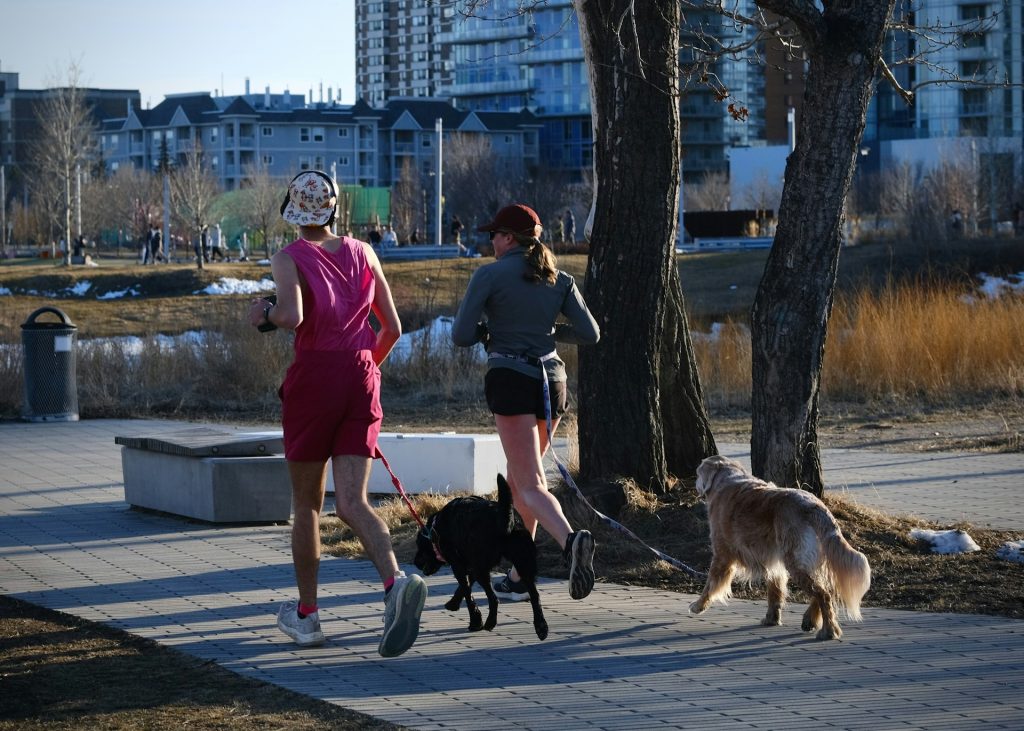
There’s a particular kind of joy in watching your dog run properly. Not the chaotic zoomies round the living room — the steady, happy lope of a dog doing what dogs were made to do, with their favourite person right next to them.
If you’ve been thinking about turning your daily walk into something more, running together is one of the best things you can do for both of you. It burns off nervous energy, strengthens the bond between you, and gives you a brilliant excuse to be outside in all weathers (yes, even British ones).
But here’s the honest truth most blog posts skip over: getting it wrong can hurt your dog. Start too soon, push too far, or skip the basics, and you can cause joint damage that shows up years down the line. The good news? Getting it right isn’t complicated.
This is our no-fluff guide to starting safely, pacing things properly, and raising a happy, healthy running partner for life.
Is Your Dog Actually Ready to Run?
Before you lace up, three things need to be true.
1. They’re old enough
This is the one most people get wrong.
A puppy’s growth plates — the soft, developing ends of their bones — don’t close until they’re physically mature. Running repetitively on hard ground before that point can cause joint problems that last a lifetime.
As a rough guide:
- Small breeds (Jack Russells, Cavaliers, dachshunds): wait until around 12 months
- Medium breeds (Cockers, Staffies, Border Collies): wait until 12–15 months
- Large breeds (Labradors, Retrievers, German Shepherds): wait until 15–18 months
- Giant breeds (Great Danes, Newfoundlands, Leonbergers): wait until 18–24 months
If you’re unsure, your vet is the best person to ask. They’ll know your dog’s specific build and development.
2. They’re the right breed for it
Not every dog is built to run. Labradors, Collies, Vizslas, Huskies, Spaniels and most Pointers will happily trot for miles. Bulldogs, Pugs, French Bulldogs and other flat-faced (brachycephalic) breeds genuinely shouldn’t — their airways make sustained running dangerous, especially in warm weather.
Long, low dogs like Dachshunds and Basset Hounds are also better suited to brisk walks than jogging, because their spines take a battering from repeated impact.
3. They’ve had a proper vet check
Even young, fit-looking dogs can have hip dysplasia, heart conditions, or early joint issues that running will make worse. A quick once-over from your vet before you start is genuinely worth it — especially if your dog is over five, has ever limped, or is a breed prone to joint problems.
The First Four Weeks: A Week-by-Week Plan
The biggest mistake new dog-runners make is doing too much, too soon, because their dog seems fine. Dogs are champion maskers of discomfort. They’ll push through pain to keep up with you. It’s your job to pace things for them.
Here’s a simple four-week plan that works for most healthy adult dogs already getting regular walks.
Week 1 — Learning the feel
Three outings of 20 minutes each. Walk for 4 minutes, jog gently for 1 minute, repeat. That’s it. You’re teaching your dog that running means running next to you, not pulling ahead or zigzagging. Keep the pace so slow that it almost feels silly.
Week 2 — Building the rhythm
Three outings. Walk 3 minutes, jog 2 minutes, repeat for 25 minutes. Watch for any limping, lagging, or excessive panting when you stop. If you see any of it, drop back to Week 1.
Week 3 — Finding your stride
Three outings. Warm up with a 5-minute walk, then alternate 3 minutes jogging with 2 minutes walking for 25–30 minutes. Finish with a 5-minute cool-down walk.
Week 4 — Your first proper run
Three outings. Walk 5 minutes to warm up, then jog steadily for 15–20 minutes at a comfortable pace for both of you, then walk 5 minutes to cool down.
After four weeks of this, most healthy dogs can comfortably build up to 30–45 minute runs two or three times a week. Don’t rush past that. The long game is a dog who still loves running when they’re ten.
The Kit That Actually Matters
You don’t need a lot, but the basics make a real difference.
A proper harness, not a collar. A running dog on a collar can injure their neck if they pull or stop suddenly. A Y-front harness that doesn’t restrict the shoulders is what you want.
A bungee lead or hands-free belt. This is the single biggest upgrade you can make. A bit of give in the lead absorbs jolts and stops either of you from being yanked. A waist belt frees up your hands and keeps your gait natural.
A collapsible water bowl. Dogs can’t sweat to cool down — they pant. Offer water every 15–20 minutes, more often in warmer weather.
Reflective gear. British winters mean a lot of your running will be in the dark. A reflective harness or light collar is non-negotiable on roads.
Poo bags. Obviously. Nobody’s favourite mid-run pause, but non-negotiable.
Reading Your Dog on the Run
Your dog can’t tell you when they’ve had enough, but they will show you. Keep an eye on:
- Lagging behind — if they’re falling back, they’re tiring. Slow down or stop.
- Heavy, prolonged panting that doesn’t settle in a minute or two of walking
- Excessive drooling or foam
- Stopping to lie down — this is a big one. Never push a dog who has chosen to stop.
- Limping, favouring a leg, or stiffness afterwards
- Reluctance to come on the next run — dogs remember when something hurt
Finish every run with a walk, not a sudden stop. It helps their heart rate come down gradually and reduces muscle soreness the next day.
The British Weather Problem
Running with dogs in the UK means running in every kind of weather, and each one comes with its own considerations.
Hot weather (above 20°C). Honestly? Skip it, or go at dawn. Dogs overheat much faster than humans, and heatstroke in dogs is a genuine emergency. The pavement test is a good one: if you can’t hold the back of your hand on the tarmac for seven seconds, it’s too hot for their paws.
Wet and muddy. Grand for most dogs, but check between their pads for grit and mud afterwards. Rinse paws after salty winter pavements — road salt stings cracked pads.
Icy conditions. Slippery ground puts huge strain on joints as dogs scrabble for grip. If you can’t run safely, they probably can’t either.
Cold (below 5°C). Fine for most medium and large dogs with proper coats. Older dogs, thin-coated breeds (Whippets, Greyhounds, Staffies) and little dogs benefit from a well-fitted coat.
Supporting Those Joints for the Long Haul
Running is fantastic for your dog’s body, but every stride is a small impact on their joints. Over years, even well-paced running adds up — particularly for larger breeds and working dogs.
Feeding a quality joint supplement from early adulthood is one of the simplest things you can do to protect them. Ingredients like glucosamine and chondroitin give their body the raw materials to maintain healthy cartilage, while turmeric and omega-3 support a normal inflammatory response after exercise — the kind of quiet background inflammation that can build up over years of activity.
We formulated our Enhanced Adult Dog Joint Supplement specifically for active dogs aged two and up, combining all of these ingredients in one UK-made tablet. For older dogs who’ve been running for years, our Senior Max Plus offers stronger support for joints that have done their miles.
Prevention really is everything here. Waiting until you see stiffness is already waiting too long.
A Few Final Things We Wish More People Knew
Let them sniff sometimes. Walks are for sniffing. Runs are for running. But starting and ending with a proper sniff-about gives your dog the mental stimulation they need. A run isn’t a full replacement for a wander.
Feed them after, not before. Large breeds especially can be prone to bloat — a dangerous twisting of the stomach that’s more likely after exercise on a full stomach. Leave at least an hour either side of a run.
Check their paws when you get home. Cut pads, thorns, and grass seeds are easy to miss and painful when left.
Rest days matter. Two or three runs a week is plenty for most dogs. Their bodies need the same recovery time ours do.
The Honest Truth About Running With Dogs
It will be messy. You’ll have days when they pull, days when they stop to stare at a pigeon, days when the rain horizontal and you’re both miserable. That’s fine. That’s part of it.
But you’ll also have the mornings when everything clicks — when the path is empty, the light is good, and your dog is moving alongside you like you’ve done this together a hundred times. Those are the runs you’ll remember.
Start slowly, listen to them, and protect the body that’s carrying them. Do those three things, and you’ll have a running partner for years.
And that’s worth doing properly.
