
Uncategorized
Autumn Dog Safety: What to Watch Out for as the Seasons Change
Oct
There’s something wonderful about autumn walks.
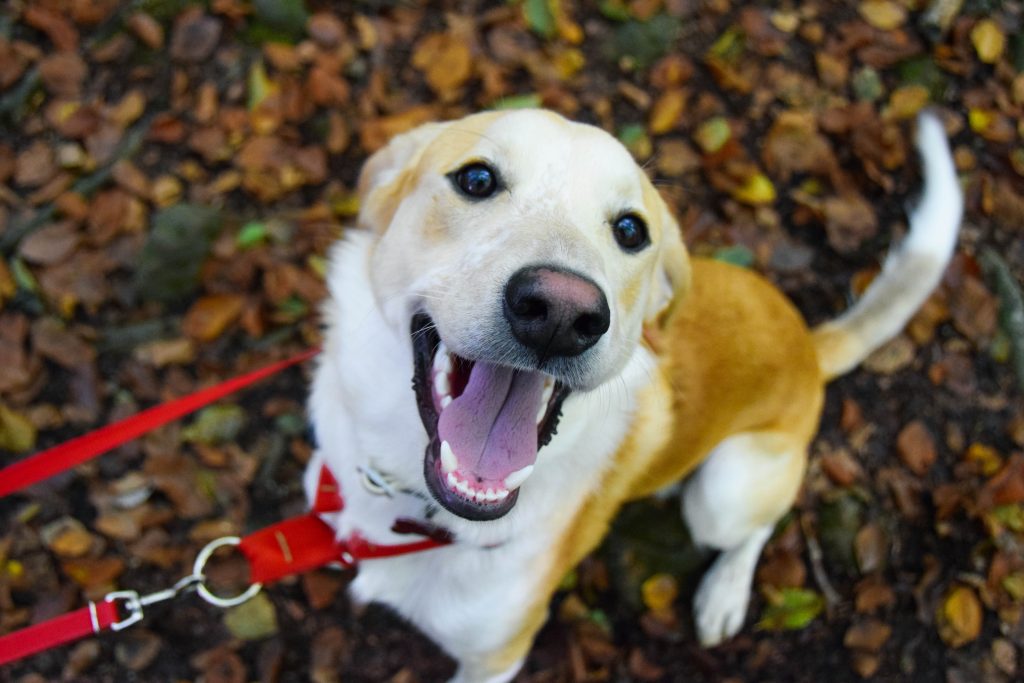
Cooler mornings. Crisp leaves. Muddy paths. Dogs charging through piles of leaves as though they’ve just discovered the greatest thing in the world.
But autumn also brings a few hazards that dog owners should keep in mind.
Be careful around fallen fruit and plants
Autumn means more things falling from trees. Your dog may find them fascinating. That doesn’t mean they’re safe to eat.
Don’t allow your dog to eat unknown berries, fungi, fallen fruit or other plant material.
If you think your dog has eaten something potentially poisonous, contact your vet promptly and don’t wait for symptoms to develop.
Watch the mushrooms
Mushrooms can appear almost overnight. Some are harmless. Others can be dangerous. The problem is that identifying wild fungi isn’t something most dog owners should attempt while standing in a muddy park with an enthusiastic Labrador attached to their lead.
The safest approach is prevention. Keep your dog away from mushrooms and stop them scavenging.
Mud brings its own problems
Wet walks can leave paws filthy. When you get home, check between your dog’s toes and pads.
Look for:
- Mud compacted between toes
- Small stones
- Grass seeds
- Cuts
- Redness
- Irritation
A quick paw check can prevent a small problem becoming a painful one.
Darkness arrives earlier
This is one of the simplest autumn changes — and one that’s easy to forget. Your normal evening walk may suddenly take place in darkness. Consider reflective equipment or lights that make you and your dog easier for other road users to see. Be particularly careful near roads and shared paths.
Keep an eye on ticks
Ticks aren’t exclusively a summer problem. Depending on conditions, they can remain active during cooler months.
After walks, check your dog regularly and discuss appropriate tick prevention with your vet. If you find a tick attached, remove it appropriately rather than trying to burn, crush or irritate it.
Rain can make dogs miserable
Some dogs couldn’t care less. Others act as though a drizzle is a personal insult. If your dog dislikes wet weather, keep walks sensible and provide somewhere warm and dry when you return. For older dogs or dogs with mobility problems, cold and wet conditions may also make movement less comfortable.
Autumn allergies can still happen
Seasonal changes can trigger skin irritation in some dogs. If you notice increased scratching, licking, redness or other skin changes, don’t automatically assume your dog has simply become “itchy”. Persistent symptoms deserve veterinary attention.
And then there are the fireworks
Autumn also means fireworks season.
If your dog is frightened by loud noises, don’t wait until the first bang of the year before preparing. Start creating a safe, comfortable routine in advance. Gradual preparation can be much easier than trying to solve severe fear on the night itself. Consider our Calm and Hemp Oils, or our brand new Calm Chews. Or even better, try the Calm Duo Bundle foe extra safeguarding against those nasty bangs.
Enjoy the season
Autumn is a brilliant time to be outside with your dog. Just remember that a beautiful walk doesn’t mean every fallen object is a snack, every mushroom is harmless or every puddle is safe. Let your dog explore. Let them sniff. Let them enjoy the leaves.
Just keep one eye on what they’re putting in their mouth.
