
Caninelifeco Dogs Blog
Why Is My Dog Scooting? Causes, Treatments & How to Help
Mar
We’ve all been there. You’re sat in the living room, maybe with guests over, and your dog decides it’s the perfect moment to drag their bottom across the carpet. Embarrassing? Perhaps. But dog scooting is almost always your dog trying to tell you something — and it’s worth listening.
In this guide, we’ll walk you through everything you need to know about dog scooting: what causes it, when it needs veterinary attention, and how supporting your dog’s diet and gut health can make a real difference.
What Is Dog Scooting?
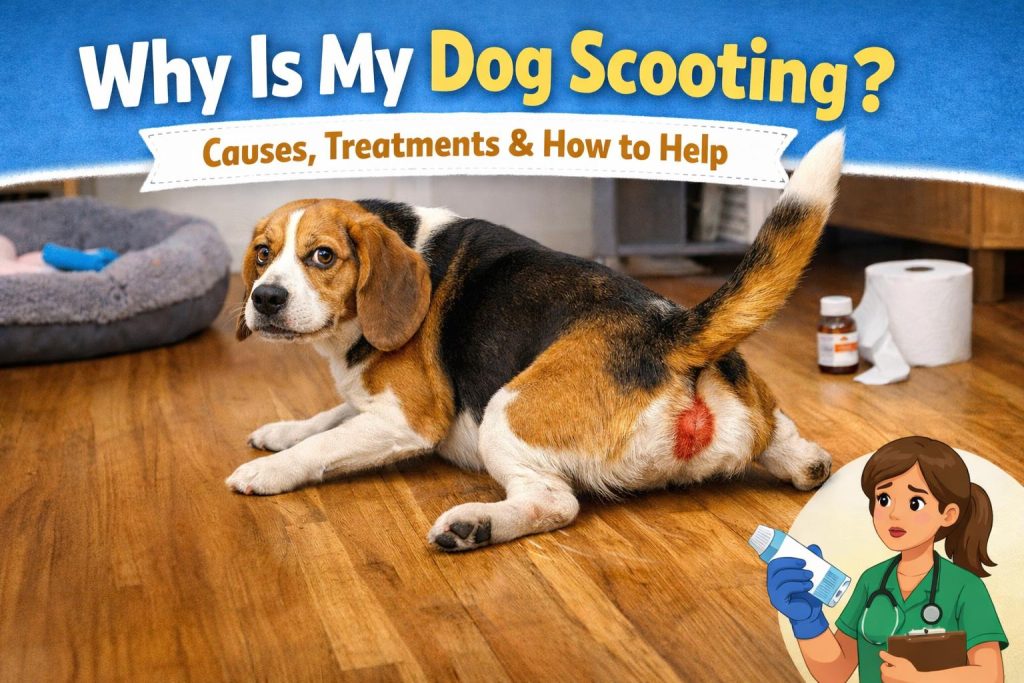
Scooting is when a dog sits down and drags their bottom along the ground. It’s their way of trying to relieve itching, discomfort, or irritation around the anal area. While the occasional scoot may be nothing to worry about, frequent or persistent scooting is a sign that something isn’t right and deserves your attention.
Common Causes of Dog Scooting
There isn’t a single reason why dogs scoot. Several underlying issues can trigger the behaviour, and identifying the right one is key to getting your dog comfortable again.
1. Blocked or Full Anal Glands
This is by far the most common cause of scooting in dogs. Every dog has two small sacs, one on each side of the anus, which produce a strong-smelling fluid used for scent marking. Under normal circumstances, these glands empty naturally when a dog passes a firm stool.
When they don’t empty — often due to soft stools, obesity, or unusual gland positioning — the fluid builds up. This becomes uncomfortable, and your dog’s instinct is to drag their bottom along the ground to try to relieve the pressure.
Signs of blocked anal glands include:
- Scooting or dragging the bottom
- Licking or biting around the rear end
- A strong, unpleasant fishy odour
- Visible discomfort when sitting
2. Anal Gland Infection or Abscess
If blocked glands aren’t treated, they can become infected, leading to a painful abscess. In severe cases, the abscess can rupture, leaving a wound near the anus. This is very painful and requires urgent veterinary attention, typically including antibiotics and anti-inflammatory medication.
If you notice swelling, redness, or discharge near your dog’s bottom, don’t wait — contact your vet straight away.
3. Intestinal Worms and Parasites
Tapeworms are a well-known culprit of scooting. When segments of tapeworm are passed, they can cause intense irritation around the anus. You may notice what looks like small grains of rice or tiny white worms near your dog’s rear end or in their faeces — both are signs of tapeworm.
Fleas can make the problem worse, as they carry tapeworm eggs. Keeping your dog up to date with both flea and worm treatments is essential.
4. Skin Irritation and Allergies
Allergies — whether to food, environmental triggers, or contact irritants — can cause inflammation and itching across the body, including around the anal area. If your dog’s scooting is seasonal or accompanied by other symptoms like excessive scratching, ear infections, or paw licking, allergies could be the underlying cause.
Food intolerances are particularly worth investigating, as they can also lead to digestive issues that indirectly affect anal gland health.
5. Dirty or Matted Rear End
Sometimes the cause is simply hygiene. Loose stools or diarrhoea can leave faecal matter matted into the fur around your dog’s bottom, causing discomfort. Regular grooming and keeping the anal area clean can prevent this from becoming a recurring problem.
6. Rectal Prolapse or Anal Tumours
Though less common, scooting can occasionally indicate a rectal prolapse (where part of the rectal tissue protrudes from the anus) or a tumour in the anal gland area. Any unusual swelling, growths, or persistent scooting that doesn’t respond to treatment should be assessed by a vet without delay.
When Should I See a Vet?
A good rule of thumb: if your dog is scooting more than occasionally, book a vet appointment. Don’t wait for symptoms to worsen.
Seek veterinary advice promptly if your dog is:
- Scooting frequently or persistently for more than a day or two
- Showing signs of pain when sitting or moving
- Licking or biting at their rear end compulsively
- Displaying swelling, redness, or discharge near the anus
- Passing blood in their stools or showing signs of diarrhoea
- Producing a strong, foul fishy smell from their rear end
Your vet will carry out a thorough examination — including an internal check to assess the anal glands — and advise on the most appropriate course of treatment.
How Is Dog Scooting Treated?
Treatment depends entirely on the underlying cause. Here’s what you can expect:
Blocked anal glands are typically resolved through manual expression, carried out by your vet or a trained vet nurse. Some dogs need this done regularly; others rarely if ever. It’s worth noting that having glands expressed by a groomer rather than a qualified professional isn’t recommended — unnecessary or improper expression can cause trauma to the glands.
Infected or abscessed anal glands require antibiotics and anti-inflammatory medication, and in some cases further intervention. Severe or recurrent cases may warrant a surgical procedure called an anal sacculectomy, though this is uncommon.
Worms and parasites are treated with appropriate deworming medication — your vet can advise on the right product based on your dog’s age, weight, and lifestyle.
Allergies may be managed through dietary changes, medication, consistent flea control, or in some cases allergy testing and immunotherapy.
Hygiene-related scooting can often be resolved at home with careful grooming, keeping the rear end clean with pet-safe wipes, and trimming fur around the area if needed.
The Role of Diet and Nutrition in Preventing Scooting
Here’s something many dog owners don’t realise: what your dog eats has a direct impact on anal gland health. Dogs fed a diet that’s too low in fibre tend to produce softer stools, which don’t apply enough pressure on the anal glands as they pass. This means the glands don’t empty naturally — and problems begin.
A high-quality, fibre-rich diet helps create bulkier, firmer stools that naturally express the glands with every bowel movement. This alone can dramatically reduce the frequency of blocked glands in dogs who struggle with the issue regularly.
Beyond fibre, key nutritional considerations include:
Probiotics and digestive support — A healthy gut microbiome supports well-formed stools and reduces the kind of digestive upset that can contribute to gland problems. Adding a quality probiotic supplement to your dog’s routine can make a real difference over time.
Omega-3 fatty acids — For dogs whose scooting is linked to allergies or skin inflammation, omega-3s (found in fish oil and similar sources) support a healthy inflammatory response and help maintain skin integrity around the anal area.
Hydration — Adequate water intake prevents constipation, which can also disrupt normal gland expression. Always ensure your dog has access to fresh, clean water.
At Canine Life Co., our supplements are formulated to support your dog’s gut health and overall digestive function — because we know that what goes in has a big impact on what comes out. If your dog suffers from recurring anal gland issues, it’s always worth looking at their diet as a first port of call alongside veterinary advice.
Quick Checklist: What to Do If Your Dog Is Scooting
- Check the anal area visually for redness, swelling, discharge, or visible parasites
- Note how frequently they’re scooting and whether other symptoms are present
- Book a vet appointment if scooting persists or is accompanied by pain or visible changes
- Review your dog’s diet — are they getting enough fibre?
- Ensure flea and worm treatments are up to date
- Keep the rear end clean and groomed, especially in longer-coated breeds
- Consider a digestive supplement to support long-term gut and gland health
Final Thoughts
Dog scooting is one of those behaviours that’s easy to laugh off, but it’s always your dog’s way of communicating that something isn’t right. In most cases, the cause is straightforward and easily treated — especially when you act promptly.
The best thing you can do as a dog owner is stay observant, maintain a high-quality diet, keep up with preventative treatments, and work closely with your vet when something seems off. A little attention to your dog’s gut health and nutrition can go a long way towards keeping scooting at bay for good.
Have questions about supporting your dog’s digestive health? Explore the Canine Life Co. range — designed with your dog’s wellbeing at the heart of everything we do.
