
Caninelifeco Dogs Blog
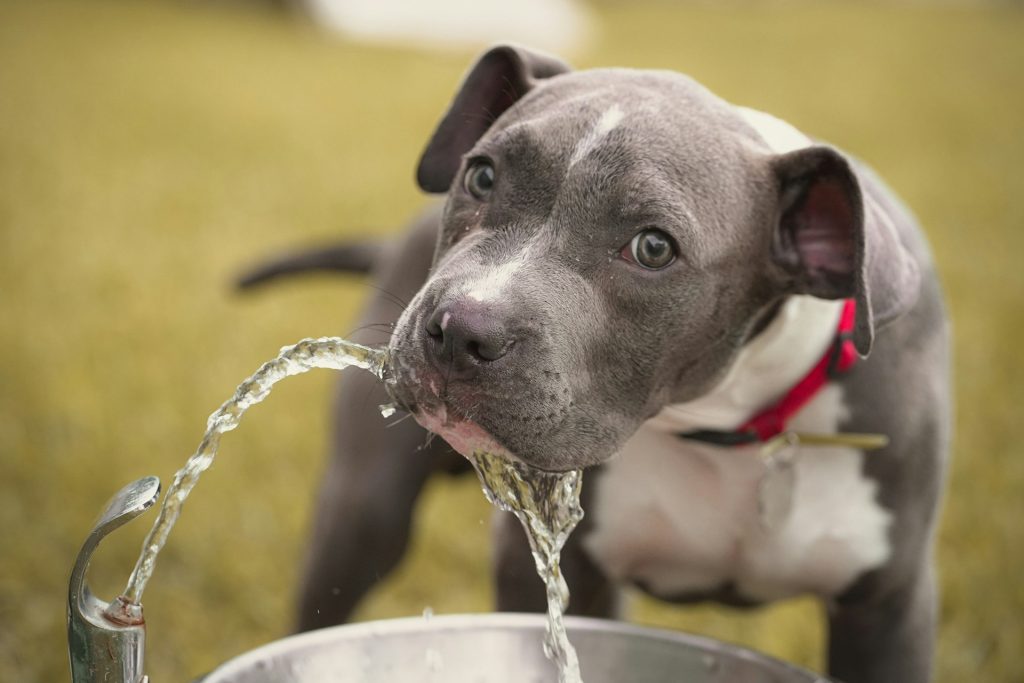
How Much Water Does Your Dog Need? A Complete Daily Guide
Jul
Most guides will tell you dogs need “40-60ml of water per kilogram of body weight per day” and leave it there. Useful in theory, but not much help when you’re stood over the bowl trying to work out whether your dog’s actually drinking enough.
Below is the same guideline, but broken down into an actual table you can check your dog’s weight against, along with the specific things that push that number up or down — diet, weather, age, and a few less obvious ones — and what it means if your dog is drinking noticeably more or less than usual.
The short answer: how much water should your dog drink per day?
As a working guide, most dogs need around 50ml of water per kilogram of body weight per day, with a normal range of roughly 40-60ml/kg depending on diet, activity and weather.
The easiest way to work this out for your own dog: multiply their weight in kg by 50 to get the daily amount in millilitres.
| Dog’s weight | Approx. daily water needed |
|---|---|
| 2kg (e.g. Chihuahua) | ~100ml |
| 5kg (e.g. small terrier) | ~250ml |
| 10kg (e.g. Cocker Spaniel puppy) | ~500ml |
| 15kg (e.g. adult Cocker Spaniel) | ~750ml |
| 20kg (e.g. Border Collie) | ~1 litre |
| 30kg (e.g. Labrador) | ~1.5 litres |
| 40kg (e.g. German Shepherd) | ~2 litres |
| 60kg+ (e.g. Newfoundland) | ~3 litres+ |
Treat this as a starting point rather than a strict target. A dog eating mostly wet food is already getting a good chunk of their water through their meals, while a dog on dry kibble alone needs to make up more of it by drinking.
Why the range varies so much
Two dogs the same weight can have genuinely different water needs. The main factors:
- Diet. Wet food is roughly 70-80% water, so dogs fed wet or raw diets typically drink noticeably less than dogs on dry kibble, which contains very little moisture.
- Activity level. A dog that’s just been for a long walk or run has lost water through panting and needs more to replace it, particularly in the hour or two afterwards.
- Weather and temperature. Warm weather increases water loss through panting, even without extra exercise. Water needs can rise significantly on hot days.
- Life stage. Puppies and nursing mothers typically need more water relative to their size — puppies because of their higher metabolism, nursing mothers because milk production itself uses water.
- Breed. Flat-faced (brachycephalic) breeds like Bulldogs and Pugs tend to pant more heavily even at rest, which increases water turnover. Thick-coated and giant breeds also tend to drink more, partly due to size and partly due to how much they pant to stay cool.
- Health status. Fever, vomiting, diarrhoea, kidney disease and diabetes can all change how much water a dog needs or loses. If your dog’s drinking habits change alongside any of these, it’s worth a vet check.
Puppies, adults and senior dogs
Water needs shift a little across a dog’s life:
Puppies generally need more water per kilogram than adult dogs, thanks to a faster metabolism, and can dehydrate more quickly if they miss out on fluids — so fresh water should always be within easy reach, especially after play or on warm days.
Senior dogs don’t necessarily need more water, but they’re more prone to not drinking enough — reduced mobility can put them off getting up to visit the bowl, and some age-related conditions affect thirst signals directly. If you’re looking after an older dog, our complete guide to senior dog health covers the wider picture of what to watch for as they age, and it’s worth placing extra water bowls in the rooms they use most.
When does a dog need more water than usual?
Your dog will likely need to drink more than their usual amount if they:
- Eat mainly dry food rather than wet or raw
- Have been exercising, especially in warm weather
- Are pregnant or feeding puppies
- Are recovering from vomiting, diarrhoea, or a fever
- Are on certain medications (your vet can flag if this applies)
- Are spending time somewhere warm or humid, even without exercise
Is my dog drinking too much water?
This gets far less attention than under-drinking, but it’s just as worth knowing about. Occasional extra thirst after a salty treat or a hot walk is nothing to worry about. But if your dog’s water intake has genuinely and consistently increased — emptying the bowl much faster than normal, asking to go out to urinate more often, or drinking what seems like an unusual amount for their size — it’s worth mentioning to your vet.
Persistent excessive thirst (known as polydipsia) can be an early sign of conditions like diabetes, kidney disease or Cushing’s disease, particularly in older dogs. It’s rarely an emergency on its own, but it’s the kind of change that’s worth flagging rather than putting down to the weather.
Signs your dog isn’t drinking enough
A dog that isn’t getting enough water can become dehydrated surprisingly quickly, especially in warm weather or if they’re also unwell. Watch for dry or tacky gums, lethargy, loss of appetite, and thicker-than-normal saliva.
For the full list of warning signs, a couple of 60-second checks you can do at home, and what to do if you’re concerned, our guide to dehydration in dogs covers this in detail.
How to encourage your dog to drink more water
Some dogs happily drink whenever they need to. Others need a bit of encouragement. If your dog falls into the second group, these tend to help:
- Add extra bowls around the house. Don’t rely on just one — put fresh water wherever your dog spends time, including the garden if they’re often out there.
- Try a pet drinking fountain. Many dogs are drawn to moving water and will drink more from a fountain than a still bowl.
- Mix in wet food, or add water to dry food. Both increase the moisture your dog gets without relying on them to drink more themselves.
- Add a splash of dog-safe, low-sodium bone broth. This can make the bowl more appealing for reluctant drinkers, without the salt levels in some human stocks.
- Keep bowls genuinely fresh. Water left out too long can pick up a taste dogs go off — rinse and refill bowls at least once, ideally twice, a day.
- Take water on walks and days out. A collapsible bowl and a bottle mean your dog can drink whenever they need to, not just when you get home.
- Offer water straight after exercise. Dogs often want to drink more once they’ve cooled down slightly rather than the second they finish playing.
- Try ice cubes in the bowl during warm weather. Some dogs are more interested in cold, novel water than room-temperature water sat in a bowl all day.
Hydration and your dog’s joints
It’s easy to think of water purely in terms of thirst, but it also plays a structural role — synovial fluid, the natural lubricant inside your dog’s joints, depends on good hydration to do its job properly. Alongside making sure fresh water is always available, our range of joint supplements, including the Senior Dog Joint Chews, are enhanced with turmeric to support joint comfort as part of a wider mobility routine — particularly useful for adult and senior dogs who may already be carrying some stiffness.
FAQs
How much water should a puppy drink per day? Puppies generally need slightly more water per kilogram than adult dogs. As a starting point, use the same 50ml/kg guide, but keep water topped up and easily accessible throughout the day, since puppies can dehydrate faster than adults if they miss out.
How much water does a senior dog need? The daily amount doesn’t usually change much with age, but senior dogs are more likely to under-drink due to reduced mobility or health changes. Placing extra bowls around the house and keeping an eye on how much they’re actually drinking is more important than the number itself.
Is tap water safe for dogs? Yes, UK tap water is safe for dogs to drink. If your dog seems reluctant to drink tap water specifically, letting it come to room temperature or trying filtered water can sometimes help.
How do I know if my dog is dehydrated? Look out for dry or tacky gums, lethargy, loss of skin elasticity, and thicker saliva than usual. Our full guide to dehydration in dogs covers the signs and a couple of quick checks you can do at home.
How much water is too much for a dog to drink? There’s no single cut-off, but a consistent, noticeable increase in how much your dog is drinking — well beyond what warm weather or exercise would explain — is worth mentioning to your vet, as it can occasionally point to an underlying health condition.
The bottom line
Use 50ml per kilogram of body weight as your everyday guide, adjust upwards for warm weather, exercise, dry food and pregnancy or nursing, and keep an eye out for any lasting change in how much your dog is drinking, in either direction. Fresh water always available, a bowl or two extra if your dog needs encouragement, and a quick call to your vet if something seems off is really all it takes.
Browse our natural dog supplements or read more advice over on the Canine Life Co. blog.
The information in this article is for general guidance only and isn’t a substitute for professional veterinary advice. If you’re worried about your dog’s health, please contact your vet.
