
Caninelifeco Dogs Blog
How to adapt your home for your senior dog
Apr
There’s a particular moment every dog owner knows. Your old friend stands at the bottom of the stairs, looks up, and just… pauses. The same stairs they used to fly up after a squirrel, a postman, or the merest rustle of a treat bag. You catch their eye, and for a second you see it — they’re still that same daft puppy inside, but their body’s quietly asking for a little help these days.
The good news? Your home is one of the most powerful tools you have for keeping your senior dog comfortable, confident and moving well. A few thoughtful tweaks can make an enormous difference to their day-to-day life — and most of them cost very little.
When does a dog actually become “senior”?
For years, the rule of thumb was that dogs hit their senior years at seven. More recent research suggests it’s a bit more nuanced than that, with some studies pointing to closer to six — and breed plays a huge role too. A Great Dane and a Jack Russell are on very different timelines.
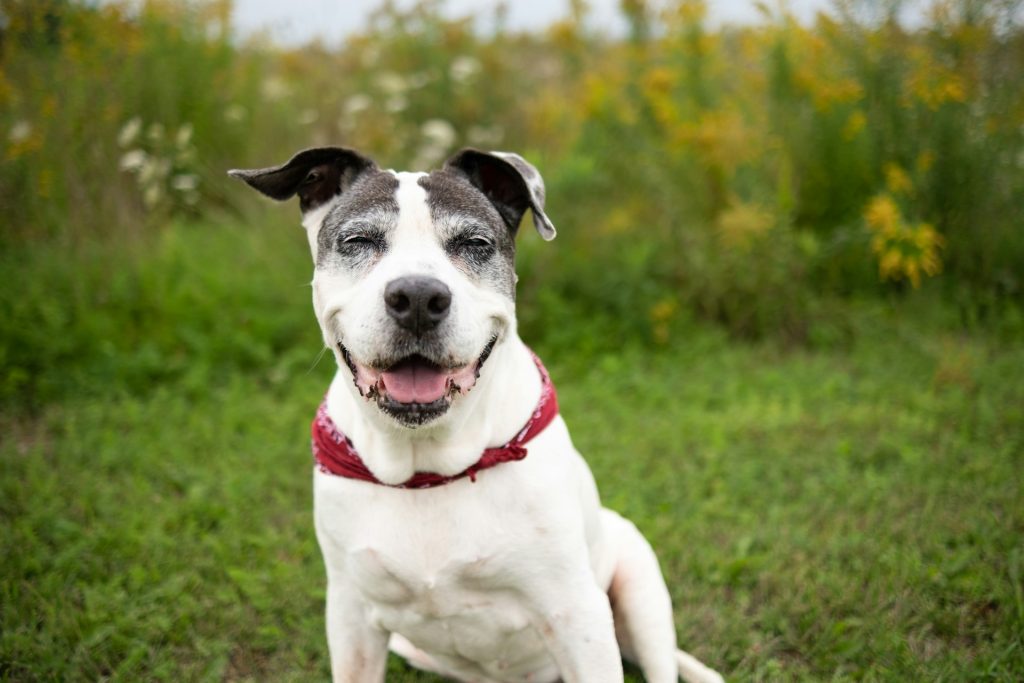
What matters more than the number on the calendar is what you’re seeing at home. The signs of ageing tend to show up gradually — so gradually that we often only notice when we look back at old photos and realise just how much grey has crept in around that muzzle.
Subtle signs your dog’s joints might be feeling their age
You know your dog better than anyone, and small changes are often the first clue. Look out for:
- More time spent sleeping or resting. A nap is a nap, but if your dog seems reluctant to leave their bed, stiff joints might be the reason.
- Slower walks. That familiar trot becomes more of a saunter, and the loop round the park takes a bit longer than it used to.
- A wobble or hesitation when getting up. Especially after a long lie-down, you might notice your dog takes a moment to find their feet.
- Less enthusiasm for jumping or play. The sofa suddenly seems higher. The ball doesn’t get chased quite as far. The tug toy gets a polite sniff rather than a full-bodied wrestle.
None of these on their own are cause for alarm — they’re just your dog telling you that life is moving into a gentler chapter. And there’s plenty you can do to support them through it.
Small home changes that make a big difference
Tackle slippery floors
Wooden floors, tiles and lino can be treacherous for older paws. Where a younger dog might bounce off a slip with no thought, a senior dog has less muscle strength to catch themselves — and every skid can put extra strain on stiff joints.
The fix doesn’t have to involve ripping up your flooring. A few non-slip rugs along their usual routes — bed to water bowl, sofa to back door — can transform their confidence. Secure them with non-slip tape or rubber-backed mats so they don’t slide as your dog walks across them.
While you’re at it, take a look at your dog’s nails and the tufts of fur between their pads. Overgrown nails and slippery foot fluff make grip even harder. A regular trim of both gives your dog much better traction underfoot.
Rethink the stairs
Every dog knows the best beds, the best sofas, and the best napping spots are upstairs. Convincing them otherwise is a battle most of us have already lost.
But repeatedly hauling stiff joints up and down a staircase can take a real toll. A simple stairgate at the bottom of the stairs — yes, the kind you bought for the toddler years — is a kind way to gently take the choice out of their paws. If you’d rather they could still join you upstairs, consider carrying smaller dogs, or building stair-climbing into a routine they can manage rather than a sprint they can’t.
Ramp it up
For the things they love most — the sofa, the bed, the back of the car — a ramp or a set of soft foam steps can be a game-changer. Foam steps are particularly handy because they’re light enough to move from room to room, so your dog can still settle next to you wherever you are without launching themselves off cushions they can no longer land safely from.
Car ramps are worth their weight in gold for senior dogs too. That hop into the boot might look small to us, but for an older dog, it’s a fair amount of pressure on already-tired joints. A non-slip ramp lets them load themselves with dignity and without strain.
Invest in a proper bed
If your dog is sleeping more, the bed they’re sleeping in matters more than ever. The ideal senior dog bed is:
- Big enough to fully stretch out. Stiff joints don’t like being curled up in a tight ball.
- Supportive. Memory foam or orthopaedic-style filling cradles aching joints in a way that loose stuffing can’t match.
- Easy to get in and out of. If it’s raised, look for a low or sloped edge rather than a high lip to climb over.
- In a warm, draught-free spot. Cold floors near doors and windows are the enemy of comfortable joints.
Pop a non-slip mat underneath the bed itself if it tends to skate across the floor when your dog clambers on or off — there’s nothing worse than a bed that runs away from a dog who’s just trying to lie down on it.
Keep them warm
Senior dogs feel the cold far more than they used to. Their body composition changes with age, and they’re less able to regulate their own temperature, so a chill that wouldn’t have bothered them at three can leave them shivering at twelve.
In the colder months, a properly fitted dog coat for walks is essential — particularly for short-coated breeds. Indoors, a soft jumper on a frosty day is often genuinely appreciated. If your dog isn’t a fan of clothes (and many aren’t), focus on their environment instead: extra blankets in the bed, draught excluders along doors, and bedding moved away from external walls.
A quick word of caution — heated mats and electrically warmed clothing aren’t recommended for dogs, as they can cause burns on skin that’s already thinner with age. If you’re worried about keeping your dog warm at night, your vet is the best person to ask for advice.
Keep the layout consistent
Stiff joints aren’t the only thing that changes with age. Eyesight tends to dim too, and a dog who’s losing their vision relies heavily on the mental map they’ve built of your home. Move the coffee table six inches to the left and you’ve redrawn their world.
Keep the layout of furniture and bedding as consistent as you can, and try to keep walkways — kitchen floors, hallways, the route to the back door — clear of clutter, shoes and toys that could trip them up. If your dog has lost a lot of their sight, try not to leave bags or boxes in unexpected places.
Lift the food bowl
For some senior dogs, particularly larger breeds, eating from a bowl on the floor means standing in an awkward, neck-down position that can aggravate stiff shoulders, elbows and necks. A raised feeder brings the bowl up to a more comfortable height and lets them eat without having to brace themselves.
Plenty of options exist, from simple raised stands to lovely handmade wooden feeders that look more like furniture than dog kit — there’s something for every kitchen.
Supporting your dog from the inside, too
All of these home tweaks work best alongside the right kind of internal support. Joint comfort isn’t only about furniture and flooring — it’s also about what you’re putting in the bowl.
Our Senior Dog Joint Chews are made right here in the UK and formulated specifically for older dogs whose joints are starting to need a little extra help. Every purchase also supports our partnership with Dogs for Autism, the charity that trains assistance dogs to change the lives of autistic children and adults across the UK — so you’re looking after your own dog and helping others do extraordinary things at the same time.
Pair the chews with gentle, regular exercise (short and often beats long and occasional for senior dogs) and you’ve got a really solid foundation for keeping your old friend moving comfortably for as long as possible.
The years that matter most
Adapting your home for a senior dog isn’t about admitting they’re getting old. It’s about saying: I see you, I know what you need now, and I’m going to make sure these years are every bit as good as the early ones.
A non-slip rug here, a softer bed there, a ramp up to the sofa where there used to be a leap — these small things add up to a home that says you still belong here, exactly as you are. And for a dog who’s spent their whole life loving you, that’s everything.
