
Caninelifeco Dogs Blog
11 Reasons Why Your Dog Is Panting & What It Means
Feb
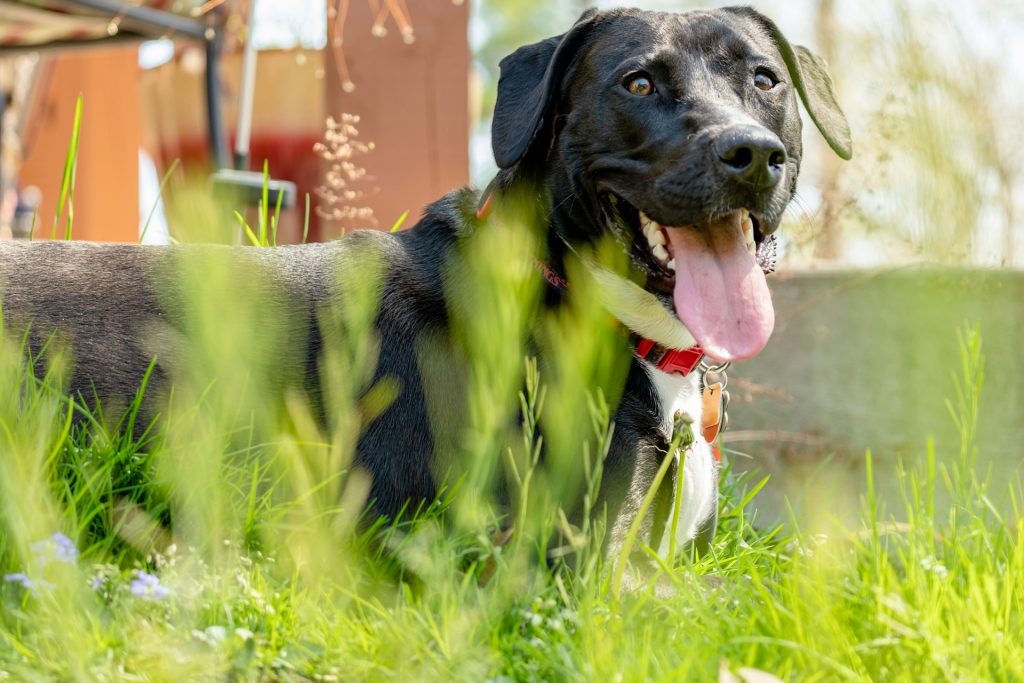
Panting is something every dog owner sees daily. After a run in the park, during warm weather, or even when your dog is excited to see you – panting is completely normal.
But sometimes panting can mean something more serious.
At Canine Life Co, where you focus on natural dog supplements and digestive health support, understanding your dog’s behaviour is just as important as choosing the right food or supplement. Panting is often one of the first signs that something in your dog’s body or environment has changed.
In this guide, we’ll cover 11 reasons why dogs pant, what’s normal, what’s not, and when to speak to your vet.
What Is Panting in Dogs?
Panting is a dog’s primary way of cooling down.
Unlike humans, dogs don’t sweat through their skin. Instead, they regulate body temperature by rapidly breathing through their mouth, allowing moisture on the tongue and airways to evaporate and cool the blood.
So yes – panting is often completely normal.
But context matters.
If your dog is panting when it shouldn’t be, or panting excessively, it can signal pain, illness, stress, or other health issues.
11 Reasons Why Your Dog Is Panting
1. Heat & Overheating
The most common reason dogs pant is simply to cool down.
If your dog has been running, playing, or lying in the sun, panting is normal. Dogs with thick coats, short noses (like Bulldogs), older dogs, or overweight dogs may pant more easily.
Signs it’s normal
-
After exercise
-
In warm weather
-
Stops once your dog rests
-
No other symptoms
When to worry
-
Heavy panting in mild weather
-
Drooling, vomiting, wobbling
-
Bright red gums
-
Collapse
These can be signs of heatstroke, which is a medical emergency.
Tip: Always provide fresh water, shade, and avoid walks in peak heat.
2. Exercise & Physical Exertion
Just like humans breathe heavily after exercise, dogs pant to recover oxygen levels.
Active breeds such as Border Collies, Labradors, and Spaniels may pant more after walks or play sessions.
What to watch
Normal panting should slow within 10–20 minutes of rest.
If panting continues for hours, your dog may be injured, dehydrated, or overheated.
3. Excitement & Happiness
Dogs often pant when excited.
Think about when you pick up the lead, greet them after work, or visitors arrive. Panting combined with tail wagging and bright eyes usually means pure joy.
This type of panting stops once your dog calms down.
4. Stress & Anxiety
Panting is a common sign of stress.
Dogs may pant during:
-
Fireworks
-
Thunderstorms
-
Vet visits
-
Car rides
-
Being left alone
Other stress signs include pacing, whining, shaking, licking lips, or hiding.
If your dog pants regularly due to anxiety, calming routines, enrichment, or natural calming supplements can help. Many Canine Life Co customers find digestive health and calming herbs support overall behaviour because gut health and stress are closely linked.
5. Pain or Injury
Dogs hide pain well. Panting is often one of the only clues.
If your dog suddenly starts panting without exercise or heat, it could be due to:
-
Arthritis
-
Injury
-
Internal pain
-
Dental problems
-
Ear infections
Watch for limping, whining, hiding, or reduced appetite.
Always contact your vet if panting is sudden and unexplained.
6. Illness or Fever
Just like humans, dogs pant when they have a fever.
Common illnesses linked with panting include:
-
Infections
-
Gastrointestinal problems
-
Pancreatitis
-
Heart disease
-
Lung issues
If panting comes with vomiting, diarrhoea, lethargy, or coughing, seek veterinary advice.
Because digestive health issues often trigger discomfort and inflammation, maintaining a healthy gut with fibre-rich foods or supplements like probiotics (something many Canine Life Co customers already prioritise) can reduce stress on your dog’s system.
7. Obesity
Overweight dogs pant more easily because their body works harder to regulate temperature and oxygen levels.
Extra weight also increases the risk of joint pain, heart disease, and breathing problems.
If your dog pants after very light activity, speak to your vet about weight management.
Healthy diet changes and natural supplements that support digestion and metabolism can help overweight dogs lose weight safely.
8. Medication Side Effects
Some medications cause panting as a side effect.
Common examples include:
-
Steroids
-
Pain medications
-
Anti-seizure drugs
If your dog starts panting after a new medication, consult your vet. Never stop medication without advice.
9. Heart or Lung Problems
Panting can indicate serious heart or respiratory issues.
Conditions include:
-
Congestive heart failure
-
Lung infections
-
Collapsing trachea
-
Fluid in lungs
-
Heartworm
Signs to watch:
-
Panting at rest
-
Coughing
-
Blue or pale gums
-
Weakness
-
Fainting
These require urgent veterinary care.
10. Cushing’s Disease
Cushing’s disease is a hormonal condition that causes excessive panting.
Other symptoms include:
-
Increased thirst
-
Increased appetite
-
Hair loss
-
Pot belly
-
Frequent urination
It’s more common in older dogs.
If your senior dog pants more than usual, ask your vet about hormone testing.
11. Poisoning or Toxic Exposure
Certain toxins cause panting.
These include:
-
Chocolate
-
Xylitol
-
Grapes/raisins
-
Household chemicals
-
Certain plants
-
Overdose of flea treatments
Panting combined with drooling, vomiting, seizures, or collapse is an emergency.
Contact your vet immediately.
When Is Panting Normal?
Panting is usually normal when:
✔ After exercise
✔ In warm weather
✔ During excitement
✔ Stops after rest
✔ Your dog is otherwise happy and eating normally
When Should You Worry About Panting?
Contact your vet if panting is:
– Sudden and unexplained
– Very heavy or loud
– Happening at night while resting
– Combined with vomiting or diarrhoea
– With pale, blue, or bright red gums
– With coughing or weakness
– Lasting more than 1 hour after exercise
Trust your instincts – you know your dog best.
How to Help a Panting Dog at Home
If panting seems mild and due to heat or excitement, try:
1. Move to a Cool Area
Shade, fans, or air-conditioning help.
2. Offer Fresh Water
Small amounts regularly.
3. Let Your Dog Rest
Avoid more exercise.
4. Check Temperature
Dogs normally range between 38–39°C.
5. Reduce Stress Triggers
Create calm spaces during fireworks or storms.
6. Support Overall Health
A balanced diet, fibre, probiotics, and digestive supplements can reduce inflammation and stress in the body. Many Canine Life Co customers notice calmer, healthier dogs when gut health improves.
Breed Differences in Panting
Some breeds pant more naturally.
Short-Nosed Breeds
Bulldogs, Pugs, French Bulldogs struggle with airflow.
Thick-Coated Breeds
Huskies and Malamutes overheat easily.
Working Breeds
Border Collies or Spaniels pant more after activity.
Knowing your breed’s normal behaviour helps spot problems early.
Senior Dogs & Panting
Older dogs pant more due to:
-
Arthritis pain
-
Heart disease
-
Hormonal issues
-
Cognitive decline
If your older dog’s panting changes suddenly, speak to your vet.
Supporting joint health, digestion, and weight can make a big difference to senior dogs’ comfort levels.
Night-Time Panting
Panting at night can signal:
-
Pain
-
Anxiety
-
Heart disease
-
Digestive discomfort
-
Urgent need to toilet
Keep a note of patterns and share them with your vet.
Preventing Excessive Panting
While not all causes are preventable, you can reduce risk by:
✔ Maintaining healthy weight
✔ Providing regular exercise
✔ Feeding high-quality food
✔ Supporting gut health
✔ Keeping dogs cool in summer
✔ Regular vet check-ups
✔ Managing anxiety early
At Canine Life Co, many owners focus on digestive support because a healthy gut improves nutrient absorption, immune function, and behaviour – all of which contribute to a calmer, healthier dog.
Frequently Asked Questions
Is panting always bad?
No – it’s often normal. It depends on the situation.
Do dogs pant when they are happy?
Yes – excitement panting is common.
Why is my dog panting but not hot?
Possible causes include stress, pain, illness, or medication.
Should I wake a panting dog?
If they are sleeping comfortably, it may be dreaming. If panting is heavy or distressed, check on them.
Final Thoughts
Panting is one of the most important signals your dog gives you.
Sometimes it simply means they’re warm or excited. Other times, it can warn of pain, illness, or stress.
By understanding the 11 reasons dogs pant, you can spot problems early and keep your dog safe and comfortable.
If you’re ever unsure, speak to your vet – it’s always better to check.
And remember, supporting your dog’s overall health through good nutrition, healthy digestion, and natural supplements – something you already prioritise at Canine Life Co – can help prevent many of the underlying issues that lead to excessive panting.
