
Caninelifeco Dogs Blog
10 Foods to Help Express Dogs’ Anal Glands Naturally

Feb
If your dog is scooting across the carpet, licking excessively, or has a strong fishy smell, there’s a good chance their anal glands are causing discomfort. It’s a common issue for dogs of all breeds, and while manual expression by a vet or groomer is sometimes necessary, diet plays a huge role in preventing anal gland problems.
At Canine Life Co, where you specialise in natural dog supplements and digestive health support, this topic is especially important for your customers. Many anal gland issues can be reduced or prevented with the right foods that improve stool quality and gut health.
In this guide, we’ll cover:
- What anal glands are and why they get blocked
- Symptoms of anal gland problems
- 10 foods that help express dogs’ anal glands naturally
- Extra tips for preventing recurring issues
Let’s dive in.
What Are Dogs’ Anal Glands?
Dogs have two small sacs located just inside the anus. These glands produce a strong-smelling fluid used for marking territory. Normally, when a dog passes a firm, healthy stool, the glands are naturally expressed.
But when stools are too soft or digestion is poor, the glands don’t empty properly. This can lead to:
- Blockages
- Infection
- Abscesses
- Painful swelling
Diet is one of the most effective ways to fix the root cause.
Signs Your Dog May Have Anal Gland Problems
Watch for these symptoms:
- Scooting on the floor
- Licking or biting around the rear
- Fishy smell
- Difficulty sitting
- Swelling near the anus
- Blood or pus
If you notice severe pain or swelling, always contact your vet first.
For mild or recurring issues, improving diet and fibre intake can help significantly.
Why Food Helps Anal Glands
The goal is to create firm, bulky stools that naturally press on the glands during bowel movements.
Foods that help include:
- High-fibre foods
- Gut-supporting foods
- Anti-inflammatory foods
- Omega-rich foods
These improve digestion and stool consistency.
10 Foods That Help Express Dogs’ Anal Glands Naturally
1. Pumpkin (Plain, Cooked)
Pumpkin is one of the best natural foods for anal gland health.
It’s rich in soluble fibre, which helps firm up stools and regulate digestion.
How to feed:
- 1 teaspoon for small dogs
- 1 tablespoon for medium dogs
- 2 tablespoons for large dogs
Make sure it’s plain pumpkin, not pumpkin pie filling.

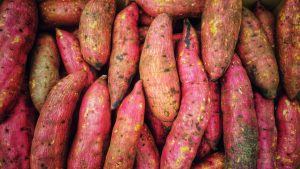
2. Sweet Potato
Sweet potatoes are packed with fibre and vitamins.
They help bulk up stool and support gut bacteria.
How to feed:
Cooked, mashed sweet potato with no seasoning.
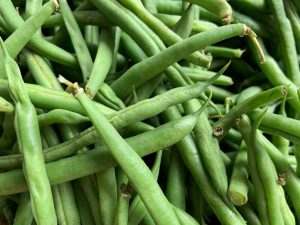
3. Green Beans
Low-calorie and high in fibre, green beans are excellent for digestion.
They also help dogs feel full, which supports weight control (important because overweight dogs have more anal gland issues).
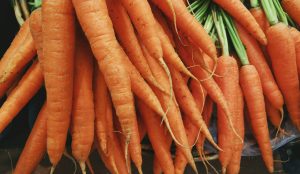
4. Carrots
Carrots provide fibre and crunch.
They help firm stools and promote chewing behaviour.
Serve cooked or grated for easier digestion.
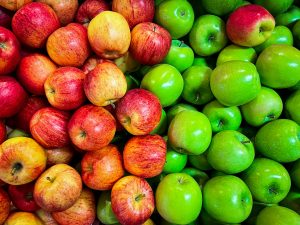
5. Apple (Without Seeds)
Apples contain pectin, a fibre that improves stool consistency.
Remove seeds and core before feeding.
6. Brown Rice
Brown rice adds fibre and bulk to stool.
It’s gentle on the stomach and ideal for dogs with sensitive digestion.
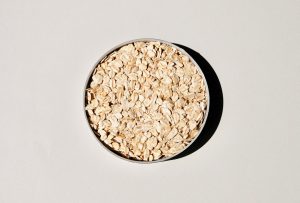
7. Oats
Plain cooked oats are high in soluble fibre.
They help regulate bowel movements and improve gut health.
8. Chia Seeds
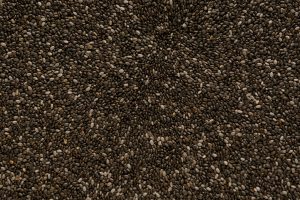
Chia seeds are rich in fibre and omega-3 fatty acids.
They help firm stools and reduce inflammation.
Soak before feeding.
9. Flaxseed
Ground flaxseed supports digestion and stool quality.
It also provides healthy fats for skin and coat health – something many Canine Life Co customers care about.
10. High-Quality Dog Supplements with Fibre
Sometimes food alone isn’t enough.
Digestive supplements with:
- Fibre
- Probiotics
- Omega-3 oils
can make a big difference.
This is where natural supplement brands like Canine Life Co can help dogs with recurring issues.
How Much Fibre Does a Dog Need?
Too little fibre = soft stools
Too much fibre = constipation
Start small and increase gradually.
Always ensure fresh water is available.
Extra Tips to Prevent Anal Gland Problems
1. Maintain a Healthy Weight
Overweight dogs have more anal gland issues.
2. Encourage Exercise
Walking improves digestion.
3. Add Probiotics
Good gut bacteria improve stool quality.
4. Regular Grooming Checks
Especially for small breeds like:
- Cavaliers
- French Bulldogs
- Dachshunds
5. Avoid Too Many Fatty Treats
These can soften stools.
When to See a Vet
Diet helps mild issues, but seek help if you see:
- Blood
- Severe swelling
- Crying in pain
- Fever
Untreated infections can become serious.
Best Breeds to Watch for Anal Gland Issues
Some dogs are more prone, including:
- Small breeds
- Overweight dogs
- Dogs with allergies
- Dogs with chronic diarrhoea
Natural Feeding Plan Example
Morning:
- Normal dog food
- 1 tbsp pumpkin
- Sprinkle flaxseed
Evening:
- Dog food
- Cooked green beans or carrots
Plus probiotic supplement.
Final Thoughts
Anal gland issues are uncomfortable but often preventable.
By improving digestion and stool firmness through natural foods, many dogs avoid painful gland blockages.
At Canine Life Co, combining high-quality supplements with diet advice gives customers a complete solution for their dog’s health.
If your dog struggles with recurring anal gland problems, try adding these foods gradually and monitor stool quality.
FAQs
How quickly do fibre foods help anal glands?
Usually within 1–2 weeks.
Can I give pumpkin every day?
Yes, in small amounts.
Are anal gland problems dangerous?
They can be if infected, so always monitor symptoms.
