
Caninelifeco Dogs Blog
Are Pumpkin Seeds Good for Dogs?
Mar
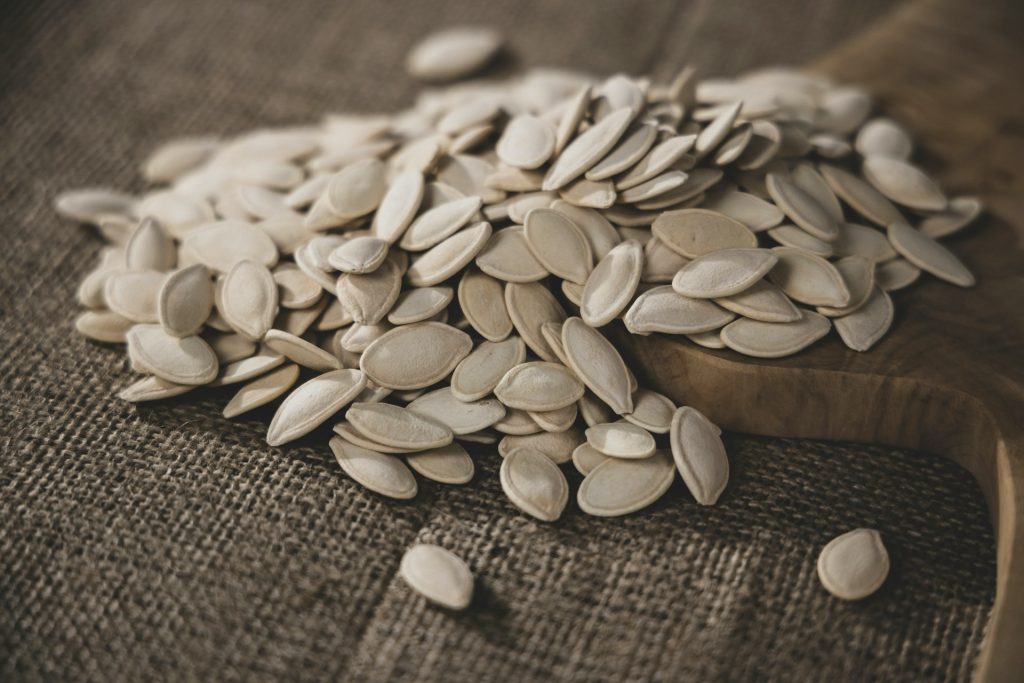
If you’ve been carving a pumpkin or snacking on pepitas and caught your dog giving you those irresistible eyes, you might be wondering: can I share these with my pup? The short answer is yes — pumpkin seeds are safe for dogs in moderation. But before you start tossing seeds into their bowl, there are a few important things to know about preparation, portion sizes, and some popular myths that need busting.
In this guide, we’ll walk you through everything you need to know about pumpkin seeds and dogs — the benefits, the risks, how to serve them safely, and what to watch out for.
Are Pumpkin Seeds Safe for Dogs?
Yes — pumpkin seeds are non-toxic to dogs and, when prepared correctly, can be a perfectly safe occasional treat. The key words here are ‘prepared correctly’ and ‘in moderation.’ Dogs’ digestive systems aren’t designed to process seeds the same way ours are, so a little preparation goes a long way.
The biggest concerns aren’t about toxicity — they’re about choking hazards, digestive upset, and the high fat content of the seeds if fed in large quantities. Stick to plain, properly prepared seeds, and you’re on the right track.
The Nutritional Benefits of Pumpkin Seeds for Dogs
Pumpkin seeds pack a decent nutritional punch, and while dogs don’t absorb all the same benefits humans do, there are still some worthwhile reasons to offer them as an occasional supplement to your dog’s diet. Here’s what’s inside:
- Zinc — Essential for healthy skin, coat, eyes, and brain function. Many dogs with dull coats or itchy skin may benefit from a small zinc boost.
- Magnesium — Supports the body in absorbing other vitamins and minerals, and contributes to healthy muscle and nerve function.
- Iron — Key for the production of red blood cells and haemoglobin, as well as enzymes that regulate digestion and metabolism.
- Fibre — Helps regulate digestion and can support dogs who experience occasional constipation or loose stools. However, too much fibre can have the opposite effect, so small amounts are best.
- Omega-6 Fatty Acids — Pumpkin seeds contain plant-based unsaturated fats that may contribute to a healthier coat and skin.
- Antioxidants (including Vitamin E) — Help protect your dog’s cells from oxidative stress — particularly useful for ageing dogs whose immune systems need a little extra support.
- Vitamin K — Supports healthy blood clotting and cardiovascular health.
It’s worth noting that because dogs’ digestive systems aren’t fully set up to break down seeds, not all of these nutrients will be absorbed efficiently. Grinding the seeds before serving makes a real difference in bioavailability (more on that below).
Pumpkin Seeds as a Natural Dewormer: Myth or Fact?
This is one of the most widely shared claims on the internet when it comes to pumpkin seeds and dogs — and it deserves a straight answer.
Pumpkin seeds contain a compound called cucurbitin (sometimes referred to as cucurbitacin), which is thought to cause degenerative changes in the reproductive organs of certain intestinal parasites. Some studies have shown promise in other animals, and the idea has been popular in natural pet health circles for years.
However, the evidence in dogs specifically is not robust enough to rely on pumpkin seeds as a treatment for worms. The concentration of cucurbitin varies significantly between seeds, we don’t know how well dogs actually absorb it, and the quantities that might be required to have any effect would likely cause digestive problems first.
The verdict: If you suspect your dog has worms, always speak to your vet. Prescription dewormers are proven and safe. Pumpkin seeds are not a substitute for proper veterinary treatment, and using them in lieu of medication could allow an infestation to worsen.
How to Safely Prepare Pumpkin Seeds for Your Dog
Preparation really does matter here. The difference between a safe pumpkin seed treat and one that causes problems often comes down to how it’s been prepared. Follow these steps:
- Remove the shells — Pumpkin seed shells are hard, indigestible, and a choking hazard — particularly for small breeds. Always remove the outer shell before offering pumpkin seeds to your dog. A quick tip: boiling the seeds for a few minutes, or rolling them firmly on a hard surface, makes the shells much easier to separate from the seed inside.
- Keep them plain — No salt, no oil, no garlic, no onion powder, no spices. Many seasoned pumpkin seed products sold for humans contain ingredients that are harmful or toxic to dogs. Plain only.
- Roast or serve raw — but grind them — Roasted seeds (at a low temperature without any oil or seasoning) are slightly easier to digest and less likely to go rancid quickly. Whether raw or roasted, grinding the seeds into a powder before serving is the best approach — it dramatically improves digestibility and nutrient absorption.
- Mix into food — The easiest way to give your dog pumpkin seeds is to sprinkle ground seeds over their regular meal. Start with a small amount and see how they get on.
How Many Pumpkin Seeds Can I Give My Dog?
Less is more. Pumpkin seeds are high in fat, and while healthy fats have their place, too many can contribute to weight gain or, in more serious cases, trigger pancreatitis in susceptible dogs. The following is a general guide — always check with your vet if your dog has specific dietary needs:
- Small dogs (under 10kg): A small pinch of ground seeds — roughly ¼ teaspoon — a few times a week as an occasional treat.
- Medium dogs (10–25kg): Around ½ teaspoon of ground seeds a few times per week.
- Large dogs (25kg+): Up to 1 teaspoon of ground seeds a few times per week.
Remember: pumpkin seeds should make up no more than 10% of your dog’s daily caloric intake, including all other treats. When in doubt, start with even less and build up slowly.
When Should Dogs Avoid Pumpkin Seeds?
Pumpkin seeds aren’t suitable for every dog. You should avoid giving them (or speak to your vet first) if your dog:
- Has a history of pancreatitis, as pumpkin seeds are high in fat and can trigger a flare-up even in small amounts.
- Is on a prescribed low-fat diet.
- Has a sensitive stomach or known food sensitivities — introduce any new food slowly and watch for reactions.
- Is a small breed puppy, as whole or improperly prepared seeds pose a significant choking risk.
- Shows any signs of digestive upset after eating them — including vomiting, diarrhoea, or a loss of appetite. If this happens, stop immediately and contact your vet.
What About Pumpkin Flesh — Is That Good for Dogs Too?
Absolutely — and in many ways, pumpkin flesh (also known as pumpkin pulp) is even more beneficial than the seeds. It’s lower in fat, higher in fibre, and contains a fantastic range of vitamins and minerals including Vitamin A, Vitamin C, Vitamin E, and potassium.
Pumpkin flesh is well known in the dog world as a go-to ingredient for soothing upset stomachs, helping with both constipation and loose stools. Its high fibre content also helps to bulk up stools, which can naturally support your dog’s anal gland health.
Plain canned pumpkin (with no added sugar, salt, spices, or sweeteners) is a convenient and safe option. Avoid pumpkin pie filling — it often contains nutmeg, cloves, and sometimes xylitol, all of which are toxic to dogs.
A Quick Summary: Pumpkin Seeds and Dogs
- ✔ Pumpkin seeds are safe for dogs in moderation when prepared correctly.
- ✔ Remove the shells, keep them plain, and grind them before serving.
- ✔ They contain zinc, magnesium, iron, fibre, and healthy fats.
- ✔ Pumpkin flesh is also beneficial — great for digestion and gut health.
- ✘ Don’t rely on pumpkin seeds to treat worms — the evidence isn’t there.
- ✘ Avoid giving them to dogs with pancreatitis or those on a low-fat diet.
- ✘ Never give seasoned, salted, or oiled seeds — plain only.
Supporting Your Dog’s Health Every Day
Occasional natural treats like pumpkin seeds can be a lovely addition to a well-rounded diet — but they’re just one small piece of the puzzle when it comes to keeping your dog in optimal health. At Canine Life Co., we believe that great nutrition, science-backed supplements, and a genuine understanding of your dog’s needs all work together to give them the best possible life.
If you’re looking to support your dog’s joints, digestion, coat, or overall wellbeing with natural, UK-manufactured supplements, explore our full range at caninelifeco.co.uk. Every product we make is formulated using only natural ingredients, with no fillers, no GMOs, and no compromise on quality.
Have a question about your dog’s diet or health? Get in touch with our friendly team — we’re always happy to help.
